Natural wood power-heat system supplies the Osserhotel
11.12.2014
Natural wood power-heat system supplies the Osserhotel
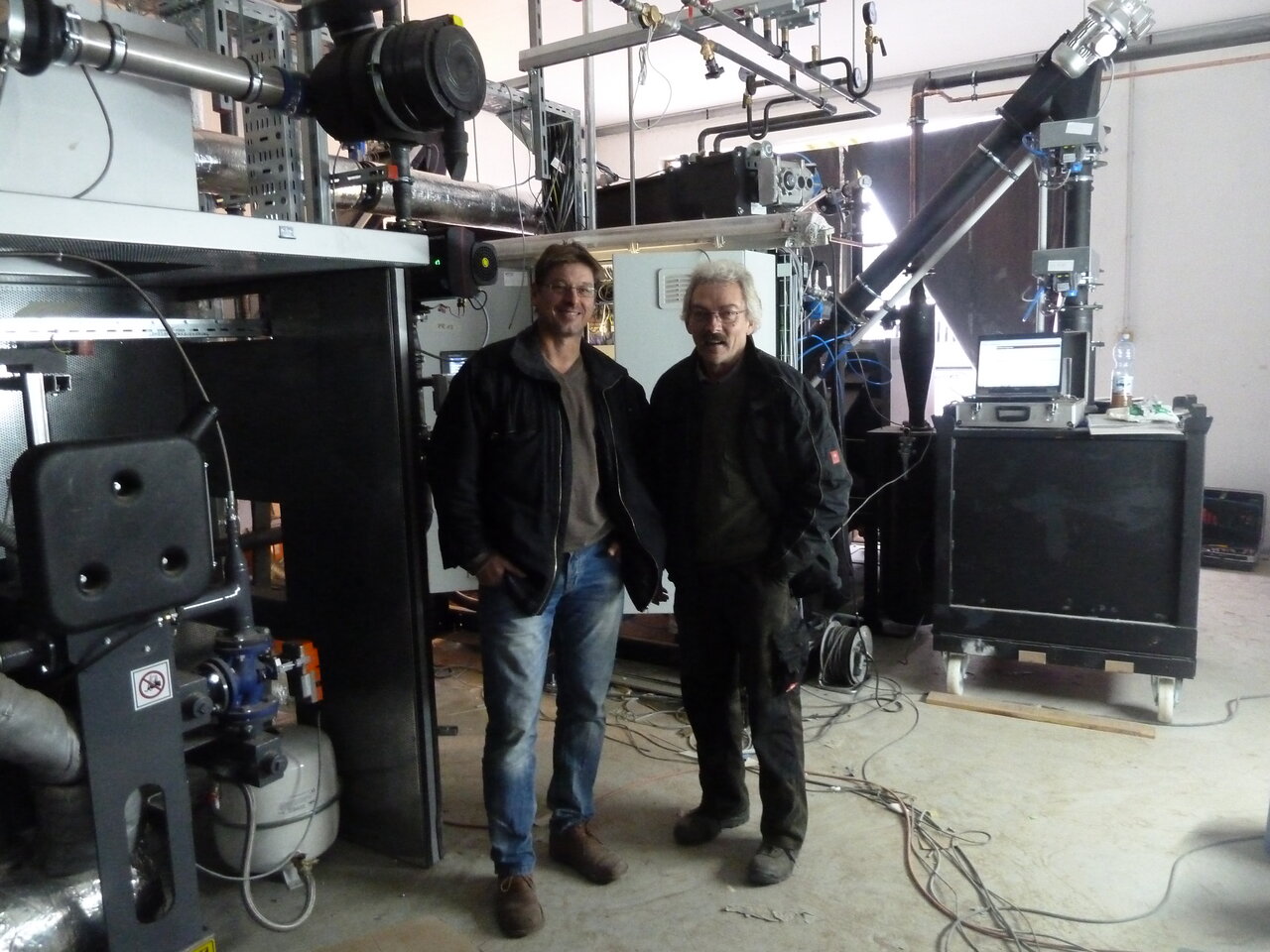
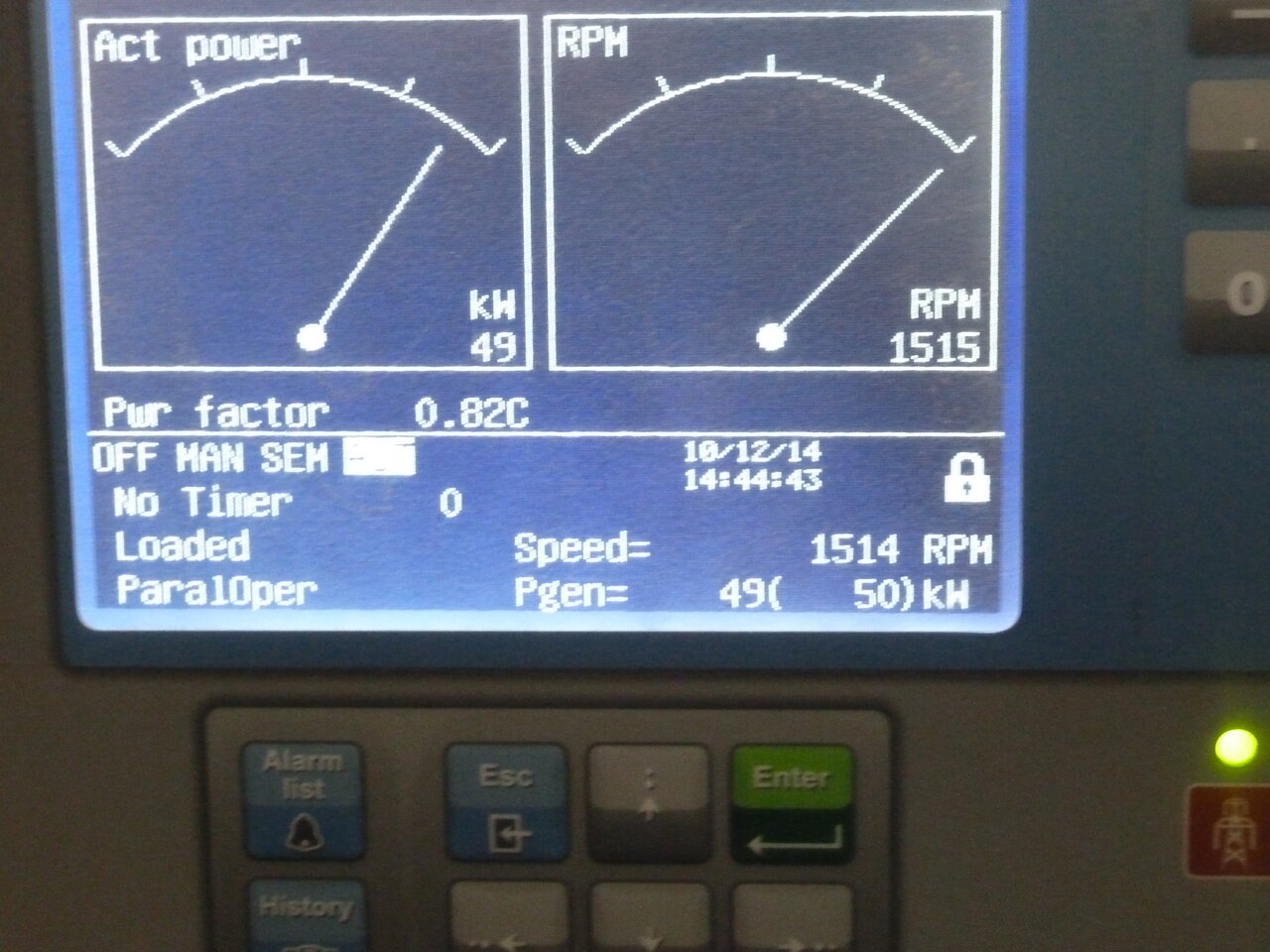
The project was developed and planned by our engineering team. It is a direct current fixed-bed gasifier. The fuel is fed to the wood gas reactor in a wood chip drying plant operated with waste heat from the wood gas CHP plant. In the reactor, the fuel is broken down into its elementary components in the absence of oxygen, oxidized and reduced to a combustible wood gas. The wood gas exits the gasifier at approx. 600°C, is cooled and cleaned of dust particles by a cartridge filter before it drives the 4-cylinder turbo engine and the asynchronous generator with a maximum output of 52 kW. The electricity generated is fed into the public grid in accordance with the Renewable Energy Act. The useful heat from the reactor, engine and exhaust gas cooling is used for space heating and domestic hot water heating in the Osserhotel in the base load, but also as a secondary source for wood drying. An existing wood chip boiler is used to generate the peak load when outside temperatures are low. All functional units of the gasifier CHP plant can be monitored and optimized via a modern control system and process visualization.
Hotel owner Sigi Freimuth is delighted that the added value for his hotel's energy supply now remains in the region and that the wood gasification system can save more than 60,000 liters of HEL per year and reduce the burden on the environment by 230,000 kg of CO2 per year.
Gammel Engineering will be happy to show you around the plant by appointment (09443-929-201).
Gallery
More News
News
Digitalization Committee of the Regensburg Chamber of Industry and Commerce for the Upper Palatinate / Kelheim
Harnessing the Potential of AI in a Responsible Manner.
At the Regensburg Chamber of Industry and Commerce’s Digitalization Committee, Thomas Winkler (Gammel Engineering) and Christian Wittmann (Wittmann EDV-Systeme) discussed how AI-supported knowledge management aids project work.
On October 13, 2026, we were pleased to welcome Ms. Annette Bauer, coordinator, and Ms. Anna Portner, president of the hospice association, to our facility. As part of our Gammel Family Social Fund, we presented them with a donation of 850 euros.
Groundbreaking Ceremony for the New Cabrini School Building
A forward-looking construction project will begin in Offenstetten with a ceremonial groundbreaking on October 2, 2026. A modern building complex for approximately 220 children and adolescents will be built in two phases.